

What Is Insulin?
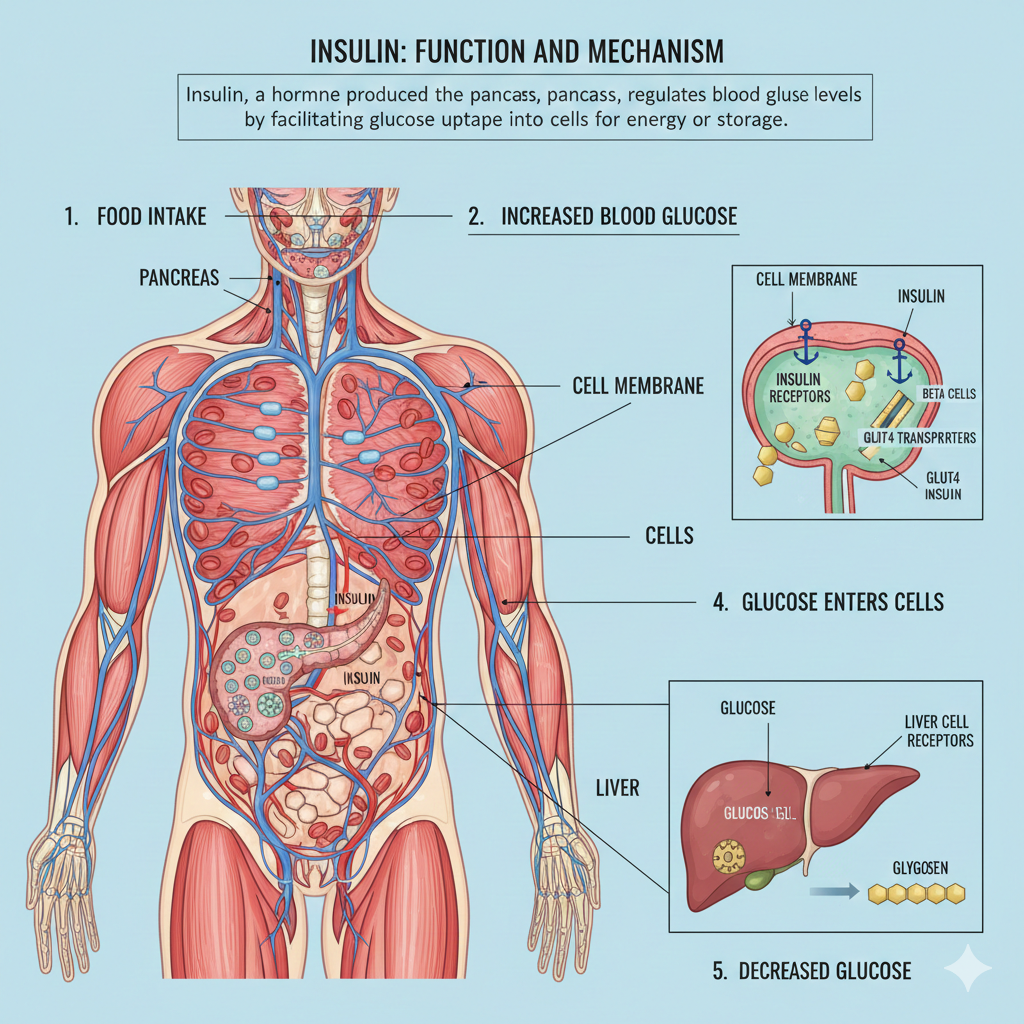
Insulin is a vital hormone produced by the pancreas that helps regulate blood sugar (glucose) levels in the body. Every time we eat, especially foods containing carbohydrates, our blood glucose rises. Insulin acts like a key, unlocking the body’s cells so glucose can enter and be used for energy or stored for later use.
How Insulin Works
After a meal, carbohydrates break down into glucose, which enters the bloodstream. The pancreas senses this rise and releases insulin. Insulin then:
- - Helps glucose move from the blood into muscle, fat, and liver cells
- - Lowers blood sugar to a healthy range
- - Supports energy production and storage
Without enough insulin—or when insulin doesn’t work properly—glucose stays in the blood, leading to high blood sugar levels.
Why Insulin Is So Important
- Insulin plays a central role in overall health:
- Controls blood sugar levels
- Supports energy metabolism
- Helps build muscle and store glycogen
- Prevents excessive fat breakdown
Healthy insulin function keeps the body energized, balanced, and disease-free.
Insulin Resistance: A Growing Problem
Insulin resistance occurs when body cells stop responding effectively to insulin. The pancreas then produces more insulin to compensate. Over time, this can lead to:
- - Persistent high blood sugar
- - Weight gain, especially around the abdomen
- - Fatigue and cravings
- - Increased risk of type 2 diabetes, heart disease, and fatty liver
Common causes include a sedentary lifestyle, excess refined carbohydrates, poor sleep, chronic stress, and obesity.
Signs of Poor Insulin Function
- - Frequent hunger or sugar cravings
- - Energy crashes after meals
- - Weight gain despite low food intake
- - Dark patches on the skin (especially neck or armpits)
- - Difficulty losing fat
Recognizing these signs early can help prevent long-term complications.
How to Improve Insulin Sensitivity Naturally
- You can support healthy insulin function with simple lifestyle habits:
- - Balanced nutrition – Focus on whole foods, fiber-rich vegetables, quality protein, and healthy fats
- - Regular exercise – Strength training and walking improve insulin sensitivity
- - Weight management – Even small fat loss improves insulin response
- - Adequate sleep – 7–8 hours supports hormonal balance
- - Stress control – Meditation, breathing, and relaxation help regulate hormones
Insulin and Long-Term Health
Insulin is not just about diabetes—it affects energy, fat storage, muscle health, and overall metabolism. Maintaining insulin balance is one of the most powerful ways to live a healthy, active, and medicine-free life.
Conclusion
Insulin is truly the master hormone of metabolic health. By understanding how it works and adopting healthy daily habits, we can prevent lifestyle diseases, improve energy levels, and enjoy a fitter, happier life.